So. A typhoon is coming. Your phone is buzzing with alerts, the sky has gone that eerie greenish-grey color that nature reserves specifically for “something bad is happening,” and your neighbor — a 70-year-old Okinawan man who has never once, in his entire life, appeared worried about anything — is outside slowly, calmly, tying down a pot plant. He glances up at you, nods, and goes back inside to watch baseball.
That’s it. That’s the tutorial. You just received the entirety of local typhoon wisdom in a single silent nod.
But since you presumably need a few more details before you reach that level of Zen, here’s the full breakdown of what Okinawa locals actually do when a typhoon comes rolling in — and why you should stop treating it like the end of the world and start treating it like an enforced long weekend.
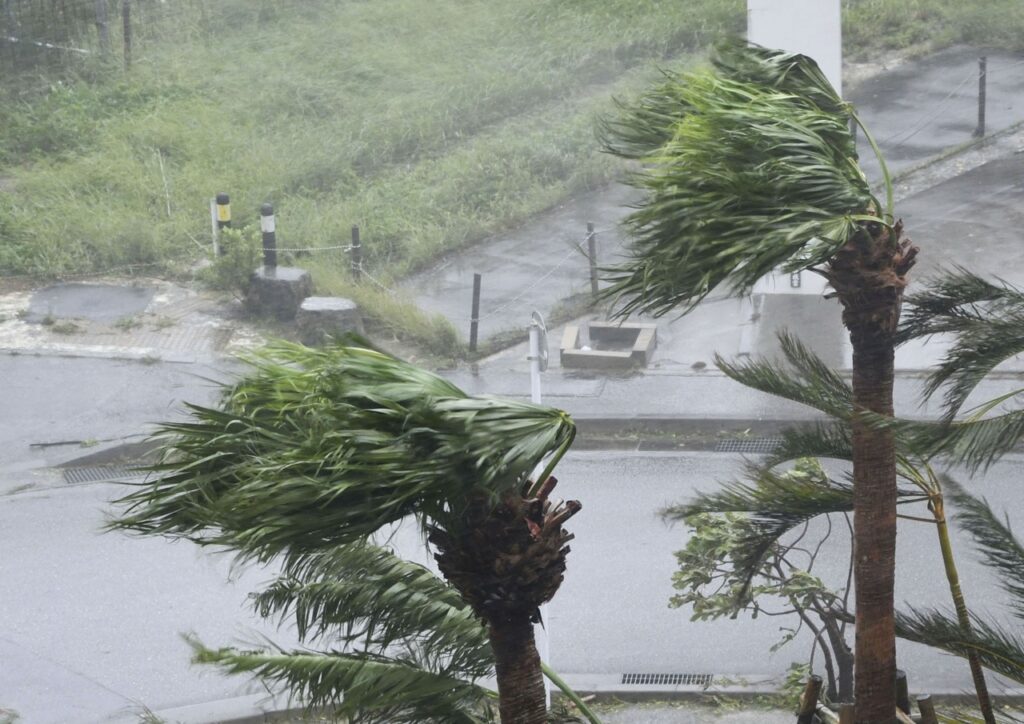
One important note before we begin: Okinawan buildings are engineered like concrete fortresses. They’ve been hit by direct Category 4 typhoons and survived just fine. The same cannot be said for the flimsy excuses you’ve been using to avoid cleaning your apartment — but that’s a separate issue.
Step 01 Stop Panicking. Seriously, Stop It.
Locals here have been living with typhoons for their entire lives. Their grandparents did. Their grandparents’ grandparents did. Okinawa has been getting regularly walloped by massive tropical storms for approximately as long as Okinawa has existed, and the island is still here, the people are still here, and the Orion Beer factory is absolutely still here, which is perhaps the most reassuring fact of all.
“All I can do now is to wait,” said a 76-year-old fisherman, sitting calmly in his boat as a typhoon approached. The rest of us were stress-eating convenience store onigiri.
The Okinawan attitude toward typhoons is best described as respectful indifference. You prepare. You’re not reckless. But you don’t spiral into existential dread either. The word for this, loosely, is connected to Uchina time — the island’s famously relaxed pace, which extends even to large-scale meteorological events bearing down on you at 150 kilometers per hour.
Take a breath. You’re on a concrete island. You’re going to be fine.
Step 02 Go to the Grocery Store. Immediately.
This is genuinely your first practical move. San-A, Kanehite, AEON Max value, Family Mart, Lawson, 7-11. In Okinawa, these places are the last businesses to close before a typhoon and the first to reopen after. They are, effectively, the beating heart of typhoon preparedness culture.
You need: water (one gallon per person per day, at minimum), cup noodles (a genre of cuisine that reaches its absolute peak relevance during typhoons), onigiri (grab more than you think you need), canned goods (anything you can open with your hands, because your drawer of kitchen gadgets is useless without electricity), and Orion beer (this is non-negotiable, this is culture, this is Okinawa).
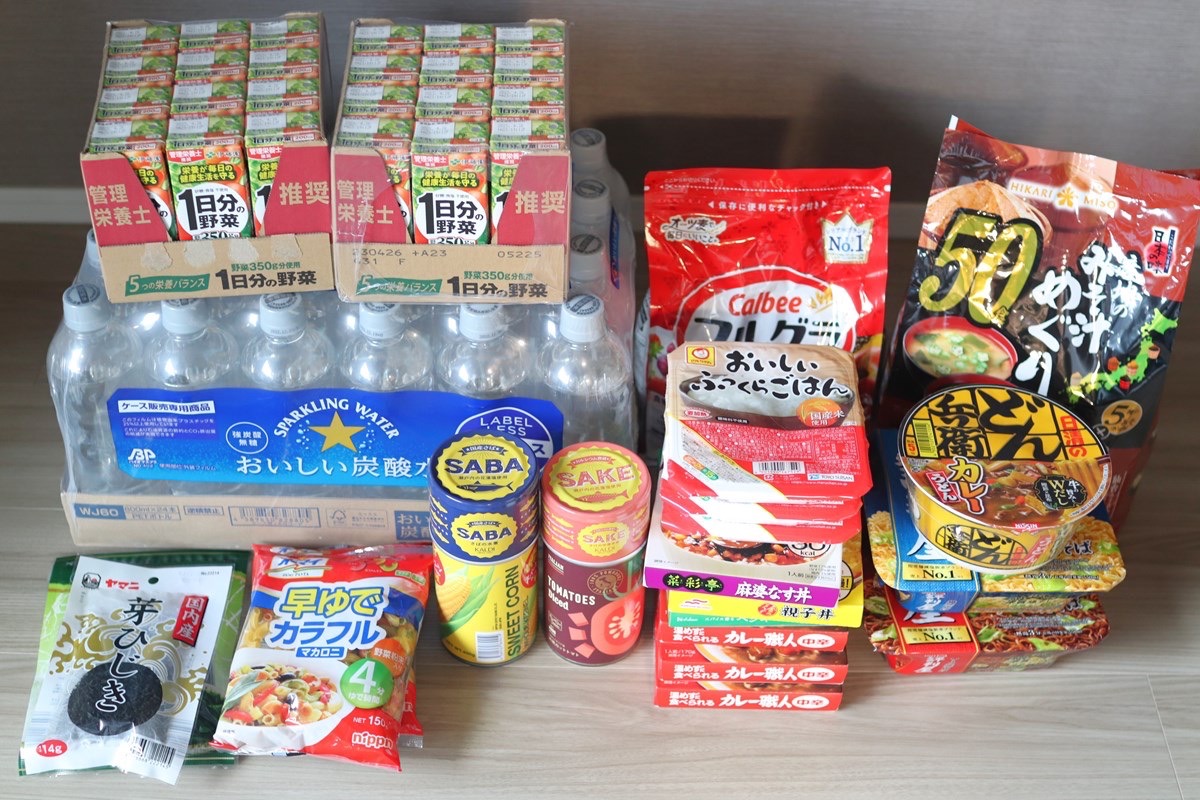
Pro tip from literally every local ever: make a big batch of rice before the storm hits. Cooked rice keeps, rice cookers work until the power goes out, and a bowl of rice with whatever you have around is a deeply satisfying typhoon meal. Shape them into onigiri, feel like an Okinawan grandmother, feel at peace.
Step 03 Secure Your Stuff, Then Go Inside
Here’s where the practical work happens. Walk your balcony and outdoor spaces with a critical eye: anything that can fly, will fly. Flower pots, chairs, bikes, that umbrella you keep meaning to bring inside — all of it needs to either go indoors or be lashed down. Typhoon winds in Okinawa regularly hit sustained speeds above 100 mph. A plastic chair becomes a very persuasive projectile at those speeds.
Fill your bathtub with clean water. This sounds eccentric until the municipal water supply gets disrupted and you’re very glad to have a tub full of emergency reserve. Charge every device you own: phones, tablets, battery packs, game consoles, the Bluetooth speaker you’re going to be very grateful for later. Turn your fridge and freezer to their coldest settings and then mostly stop opening them.
Once that’s done? Go inside and stay there. The official guidance — and the local behavior — is to remain indoors until the all-clear is issued, even if it seems like the storm is easing. The eye of a typhoon brings an uncanny, deceptive calm that locals recognize immediately and tourists tend to interpret as “it’s over, time to go walk around.” It is not over.
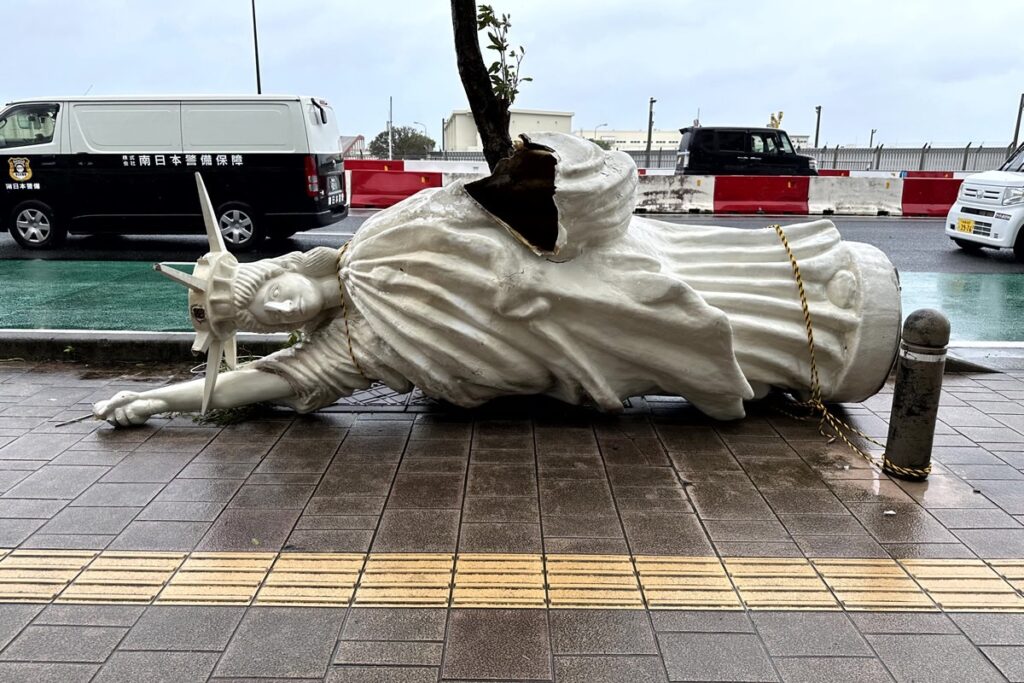
Step 04 Have a Typhoon Party (This Is Real)
This is the part that nobody outside Okinawa quite believes until they experience it. Locals genuinely treat typhoon days as an occasion. Friends and family gather, food gets cooked, the Orion flows, card games appear, and the general energy is less “disaster survival” and more “extremely legitimate reason to do nothing for 24 hours.”
The Okinawan concept of yuimāru — community mutual aid — means neighbors genuinely look out for each other when storms roll through. It’s a 600-year-old cultural value that, among other things, produces excellent typhoon parties.
If you’re new to the island, this is one of the best possible ways to connect with your community. Knock on a neighbor’s door before the storm hits, see if they need anything from the conbini run. Share food. Watch the storm from inside together. There’s a reason Okinawans are famously long-lived — and it has something to do with this particular combination of not stressing about things you can’t control and always having people around you.
Board games, movies, cooking elaborate meals from canned goods, playing sanshin badly, arguing about baseball — all valid, all documented local typhoon activities. The point is you’re warm, you’re fed, you’re together, and the concrete walls are doing exactly what they were built to do.
Retro Style Japan Travel Poster
Oki Social 2026 original series featuring iconic scenic moments that define Japan. Minimalist art crafted to capture the places you love, just as you remember them.
Now available in Oki Social store in Kadena Exchange and online.
Step 05 Watch, But Don’t Go Out There
Full transparency: some locals do go out during typhoons. You will see this. An older man checking on something. Someone making a quick run. The key distinction is that they know what they’re doing — they’ve read twenty typhoons, they know the wind patterns, they know the window, and they’ve made a calculated judgment call. You, with your one typhoon of experience, have not earned this right yet. Stay inside.
What you can do is watch from a safe window. There’s something genuinely spectacular about a serious Okinawan typhoon — the color of the sky, the way the rain goes completely horizontal, the palm trees doing things palm trees are not supposed to do. It is nature at full volume. Respect it from behind glass.
If you’re new to the island, this is one of the best possible ways to connect with your community. Knock on a neighbor’s door before the storm hits, see if they need anything from the conbini run. Share food. Watch the storm from inside together. There’s a reason Okinawans are famously long-lived — and it has something to do with this particular combination of not stressing about things you can’t control and always having people around you.
Board games, movies, cooking elaborate meals from canned goods, playing sanshin badly, arguing about baseball — all valid, all documented local typhoon activities. The point is you’re warm, you’re fed, you’re together, and the concrete walls are doing exactly what they were built to do.
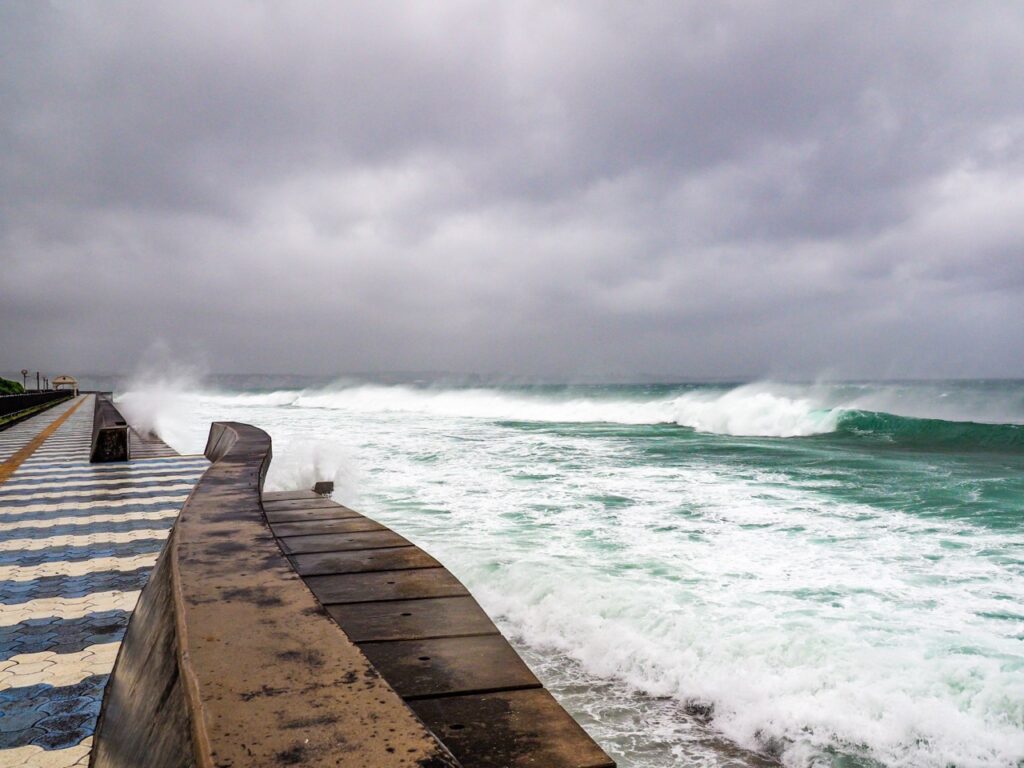
Step 06 After the Storm: Get Outside Fast
Once the all-clear comes through — monitored via Japanese TV, AFN radio (FM 89.1), or the Okinawa Disaster Prevention Portal — locals move quickly. The cleanup spirit kicks in immediately, powered entirely by the cultural value of yuimāru: community mutual aid. Neighbors sweep together. People help clear debris. Shops reopen with remarkable speed. The island’s infrastructure is designed for exactly this — rapid return to normal.
Go outside, breathe the strangely clean post-typhoon air, get a coffee, and appreciate the fact that Okinawa has been doing this for centuries and has it almost entirely figured out. The beaches will be rough for a day or two. The sea will be dramatic and beautiful. The conbini will already have fresh onigiri.
You made it. You’re a local now. Almost.
Happiness in Okinawa Is…
A heart warming book that illustrates 365 happy moments about living on Okinawa. Now on sale on Amazon and in store.